x / therzlt
hello@rzlt.io
x / therzlt
hello@rzlt.io

Iva Dobrosavljevic
Content Writer @ RZLT
From AI Hype to AI Execution: What We're Looking Forward to at AI WEEK Milan
Iva Dobrosavljevic
Content Writer @ RZLT
From AI Hype to AI Execution: What We're Looking Forward to at AI WEEK Milan
88% of organizations now use AI in at least one business function. That number, from McKinsey's 2025 State of AI report, sounds like a success story. But dig one layer deeper and the picture changes. Only about a third of those companies have begun scaling their AI programs beyond pilots and experiments. The rest are still stuck in what Deloitte calls "the untapped edge of AI's potential," where worker access to AI tools jumped 50% in a single year, but fewer than 35% of leaders say they're truly reimagining how their business operates.
That gap between "we use AI" and "AI runs through everything we do" is the most important gap in business right now. And it's exactly the gap that AI WEEK 2026 is designed to close.
Why AI WEEK 2026 Is the AI Event Europe Needs Right Now
AI WEEK returns to Fiera Milano Rho on May 19 and 20 for its seventh edition, and the scale is hard to ignore. Over 700 international speakers across 17 stages. More than 250 AI exhibitors. An expected 25,000 attendees, ranging from C-suite executives and startup founders to engineers and growth operators who are deep in implementation. As the largest AI event in Europe, AI WEEK Milan has become the place where adoption conversations happen at a density you won't find anywhere else on the continent.
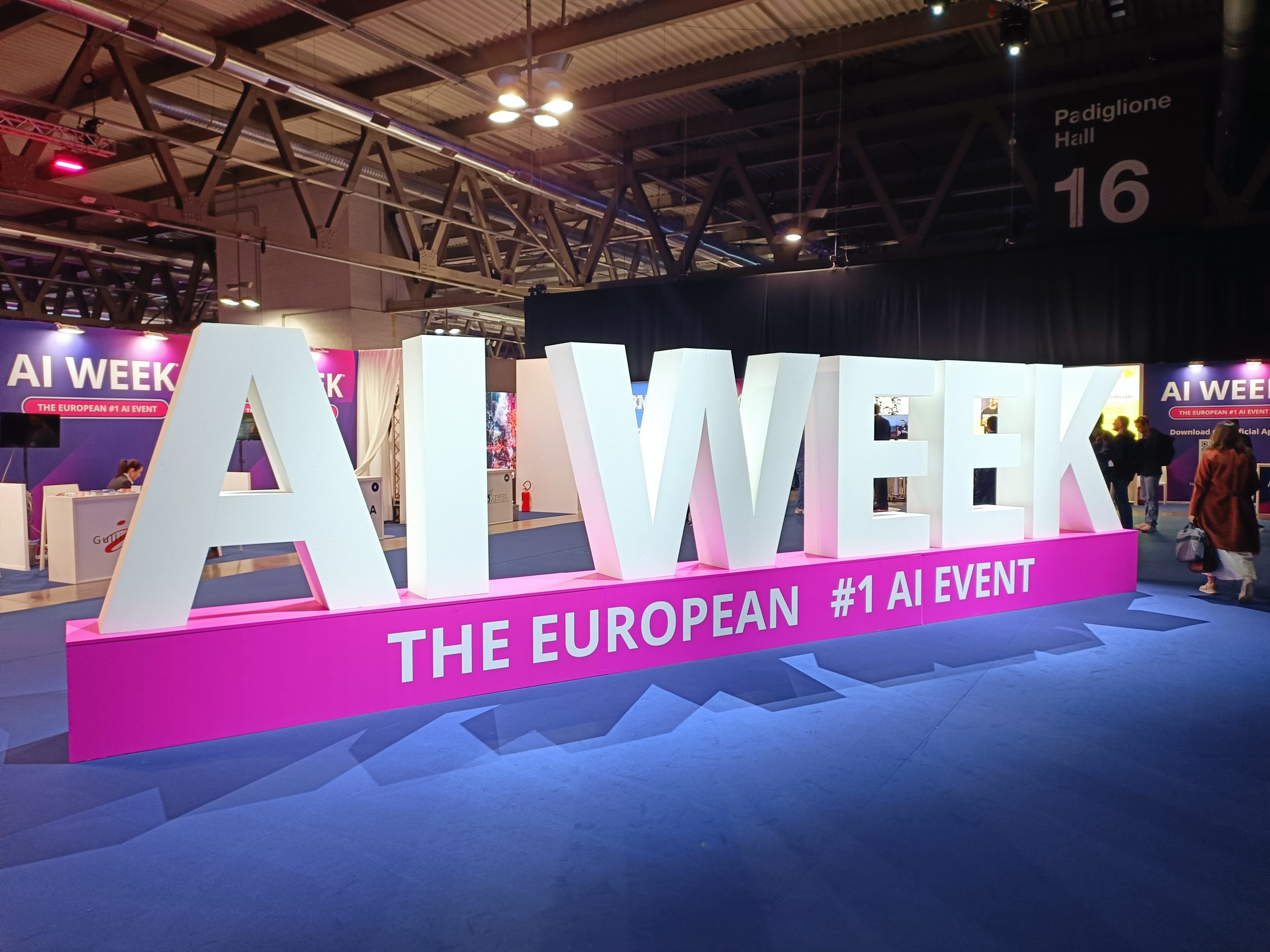
What makes AI WEEK different from the average tech conference circuit is its focus on practical adoption. The programming leans toward masterclasses, live case studies, and hands-on sessions rather than lofty keynotes about what AI might do in 2030. That matters. Because the conversations most teams actually need to have right now aren't about whether to adopt AI. They're about how to make it work inside real workflows, with real constraints, at real scale.
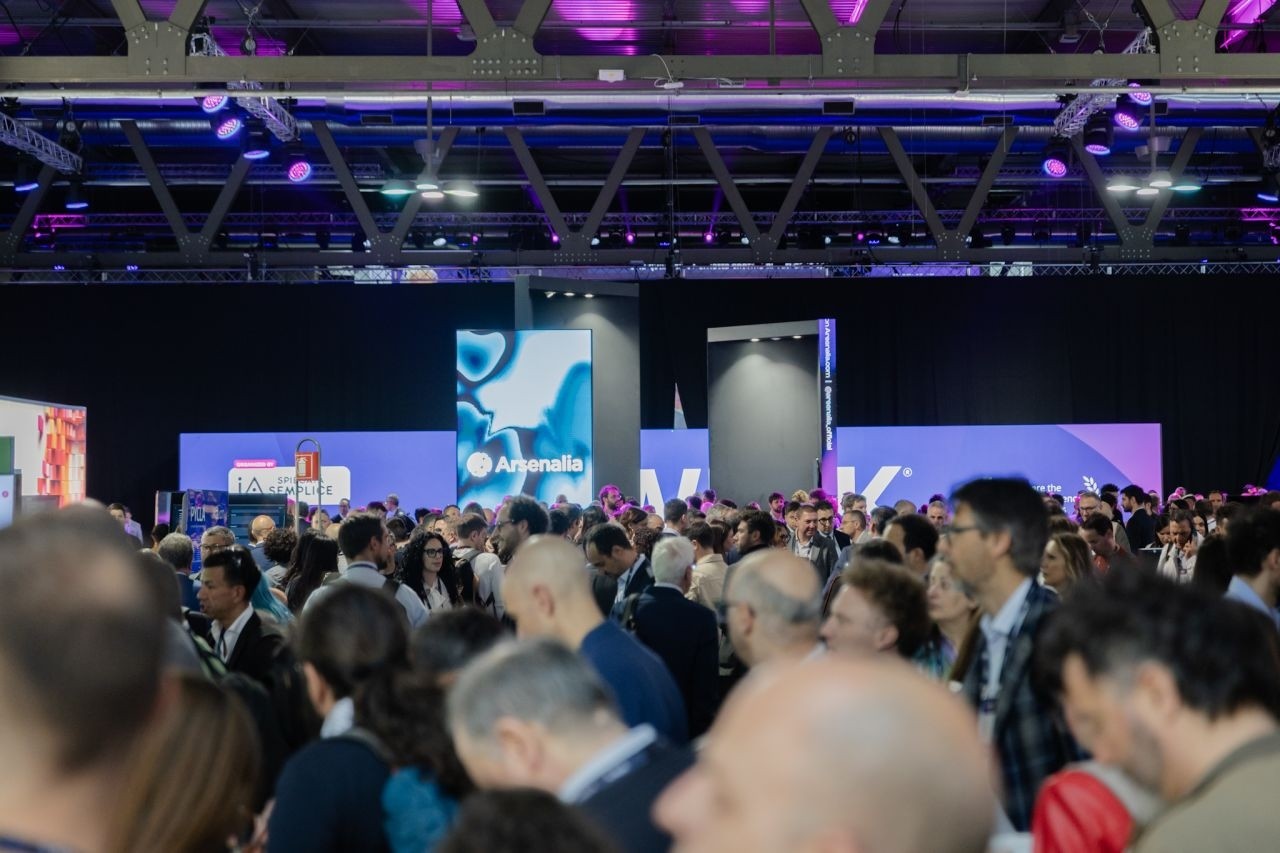
For growth teams and marketing leaders in particular, the timing is right. Enterprise AI spending on marketing applications hit $660 million in 2025 according to Menlo Ventures, and that number is accelerating. The question has shifted from "should we use AI in our campaigns?" to "how do we build systems that compound over time?" AI WEEK is one of the few major AI events in Europe where that second question gets serious airtime.
What makes the scale of AI WEEK even more striking is where it started. Two entrepreneurs from Puglia in Southern Italy, Giacinto Fiore and Pasquale Viscanti, laid the groundwork for the event right in the middle of the COVID-19 pandemic. What began as a bet on the future of AI, placed at arguably the worst time to launch anything, has grown into one of Europe's most important tech gatherings.
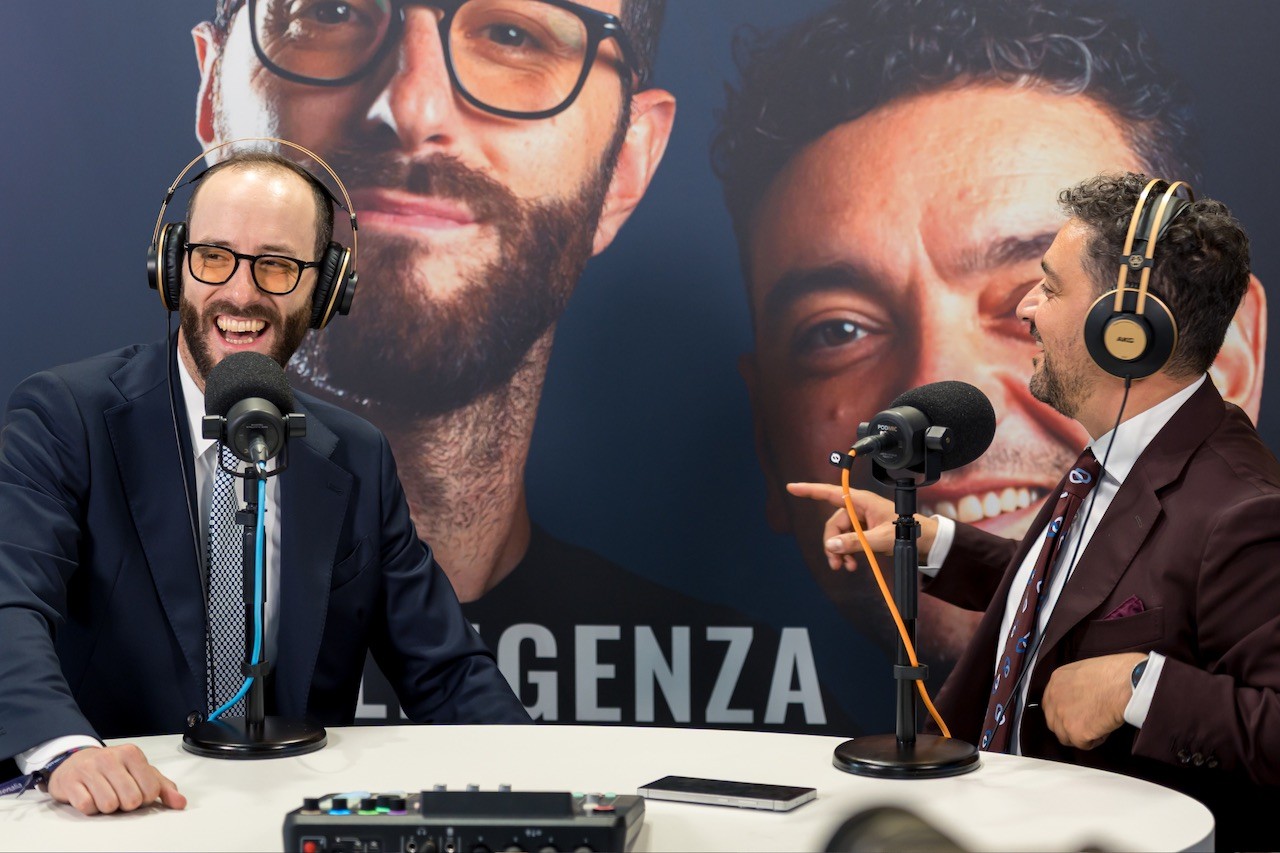
What AI-Native Marketing Looks Like at a Conference
Most agencies attend AI events to learn what's new. As an AI marketing agency that already runs every workflow through intelligent systems, we attend to pressure-test what we've already built.
At RZLT, AI isn't a service line we added last year. It's the operating system. Our campaigns run on large language models for audience targeting and content production, ML models for performance prediction and segmentation, and agentic workflows that automate entire campaign pipelines from data ingestion to distribution. We build custom AI agents for clients. And we deploy predictive analytics to spot market shifts before they show up in dashboards. AI-native marketing, for us, means every deliverable touches an intelligent system before it reaches a client.
That changes how you experience a conference like AI WEEK. Instead of sitting in a session thinking "that sounds interesting, maybe we should try it," you're evaluating whether a new approach to agent orchestration could replace something you've already shipped. You're comparing your production workflows against what the speakers describe as cutting-edge. You're looking for the 5% improvement that compounds across hundreds of campaigns, not the first 50% that everyone else is still chasing.
This is the difference between being AI-curious and being AI-native. AI-curious teams go to events for inspiration. AI-native teams go to find the edges.
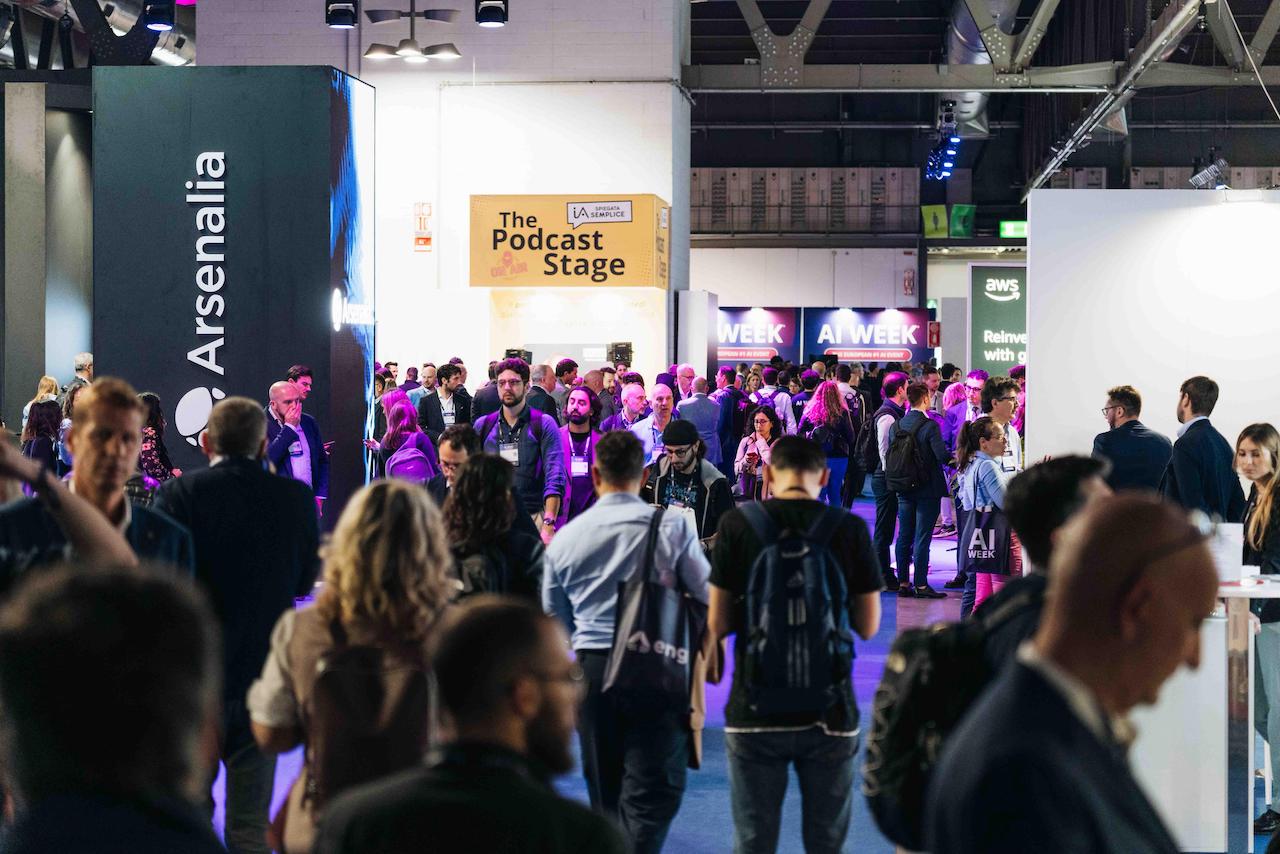
Three AI WEEK 2026 Themes We're Watching Closely
Agentic AI in real business operations
McKinsey's data shows that 23% of organizations are already scaling agentic AI systems, with another 39% experimenting. NVIDIA's latest report puts agentic AI adoption even higher in sectors like retail and telecom. But most of the public conversation about agents still sounds theoretical. We're interested in the sessions that go beyond demos and show how multi-step AI agents are performing in production environments, where they break, and how teams are designing oversight loops around them.
AI-driven community and audience growth
Growth marketing is entering a new phase where AI doesn't just optimize existing channels but creates new ones entirely. Answer engine optimization, algorithmic content distribution, AI-powered community engagement. These are not future concepts. They're active campaigns. We want to see how other teams are measuring the ROI of AI-first growth strategies, and where the models are still falling short.
The talent and adoption gap
Deloitte's 2026 research identified the AI skills gap as the single biggest barrier to integration, ahead of infrastructure and data readiness. That tracks with what we see in the market. The bottleneck isn't the technology. It's the people who know how to operate it. Any sessions at AI Week that tackle how organizations are upskilling their teams (not just buying more tools) will be worth the trip alone.
Looking Ahead
AI WEEK 2026 sits at an interesting inflection point. The hype cycle around AI in marketing has cooled just enough for the real operators to stand out. The companies that spent the last two years building, testing, and iterating on AI workflows are now pulling away from the ones that are still running pilots.
If you're a growth leader, a marketing operator, or a founder trying to figure out how AI fits into your go-to-market strategy, AI WEEK Milan is a good place to be this May. And if you want to follow along with what we're seeing and thinking before, during, and after the event, find us on LinkedIn and X.
We'll be watching closely and sharing what's worth your time.
Want to join us at AI WEEK Milan?
Secure your spot here.
88% of organizations now use AI in at least one business function. That number, from McKinsey's 2025 State of AI report, sounds like a success story. But dig one layer deeper and the picture changes. Only about a third of those companies have begun scaling their AI programs beyond pilots and experiments. The rest are still stuck in what Deloitte calls "the untapped edge of AI's potential," where worker access to AI tools jumped 50% in a single year, but fewer than 35% of leaders say they're truly reimagining how their business operates.
That gap between "we use AI" and "AI runs through everything we do" is the most important gap in business right now. And it's exactly the gap that AI WEEK 2026 is designed to close.
Why AI WEEK 2026 Is the AI Event Europe Needs Right Now
AI WEEK returns to Fiera Milano Rho on May 19 and 20 for its seventh edition, and the scale is hard to ignore. Over 700 international speakers across 17 stages. More than 250 AI exhibitors. An expected 25,000 attendees, ranging from C-suite executives and startup founders to engineers and growth operators who are deep in implementation. As the largest AI event in Europe, AI WEEK Milan has become the place where adoption conversations happen at a density you won't find anywhere else on the continent.
What makes AI WEEK different from the average tech conference circuit is its focus on practical adoption. The programming leans toward masterclasses, live case studies, and hands-on sessions rather than lofty keynotes about what AI might do in 2030. That matters. Because the conversations most teams actually need to have right now aren't about whether to adopt AI. They're about how to make it work inside real workflows, with real constraints, at real scale.
For growth teams and marketing leaders in particular, the timing is right. Enterprise AI spending on marketing applications hit $660 million in 2025 according to Menlo Ventures, and that number is accelerating. The question has shifted from "should we use AI in our campaigns?" to "how do we build systems that compound over time?" AI WEEK is one of the few major AI events in Europe where that second question gets serious airtime.
What makes the scale of AI WEEK even more striking is where it started. Two entrepreneurs from Puglia in Southern Italy, Giacinto Fiore and Pasquale Viscanti, laid the groundwork for the event right in the middle of the COVID-19 pandemic. What began as a bet on the future of AI, placed at arguably the worst time to launch anything, has grown into one of Europe's most important tech gatherings.
What AI-Native Marketing Looks Like at a Conference
Most agencies attend AI events to learn what's new. As an AI marketing agency that already runs every workflow through intelligent systems, we attend to pressure-test what we've already built.
At RZLT, AI isn't a service line we added last year. It's the operating system. Our campaigns run on large language models for audience targeting and content production, ML models for performance prediction and segmentation, and agentic workflows that automate entire campaign pipelines from data ingestion to distribution. We build custom AI agents for clients. And we deploy predictive analytics to spot market shifts before they show up in dashboards. AI-native marketing, for us, means every deliverable touches an intelligent system before it reaches a client.
That changes how you experience a conference like AI WEEK. Instead of sitting in a session thinking "that sounds interesting, maybe we should try it," you're evaluating whether a new approach to agent orchestration could replace something you've already shipped. You're comparing your production workflows against what the speakers describe as cutting-edge. You're looking for the 5% improvement that compounds across hundreds of campaigns, not the first 50% that everyone else is still chasing.
This is the difference between being AI-curious and being AI-native. AI-curious teams go to events for inspiration. AI-native teams go to find the edges.
Three AI WEEK 2026 Themes We're Watching Closely
Agentic AI in real business operations
McKinsey's data shows that 23% of organizations are already scaling agentic AI systems, with another 39% experimenting. NVIDIA's latest report puts agentic AI adoption even higher in sectors like retail and telecom. But most of the public conversation about agents still sounds theoretical. We're interested in the sessions that go beyond demos and show how multi-step AI agents are performing in production environments, where they break, and how teams are designing oversight loops around them.
AI-driven community and audience growth
Growth marketing is entering a new phase where AI doesn't just optimize existing channels but creates new ones entirely. Answer engine optimization, algorithmic content distribution, AI-powered community engagement. These are not future concepts. They're active campaigns. We want to see how other teams are measuring the ROI of AI-first growth strategies, and where the models are still falling short.
The talent and adoption gap
Deloitte's 2026 research identified the AI skills gap as the single biggest barrier to integration, ahead of infrastructure and data readiness. That tracks with what we see in the market. The bottleneck isn't the technology. It's the people who know how to operate it. Any sessions at AI Week that tackle how organizations are upskilling their teams (not just buying more tools) will be worth the trip alone.
Looking Ahead
AI WEEK 2026 sits at an interesting inflection point. The hype cycle around AI in marketing has cooled just enough for the real operators to stand out. The companies that spent the last two years building, testing, and iterating on AI workflows are now pulling away from the ones that are still running pilots.
If you're a growth leader, a marketing operator, or a founder trying to figure out how AI fits into your go-to-market strategy, AI WEEK Milan is a good place to be this May. And if you want to follow along with what we're seeing and thinking before, during, and after the event, find us on LinkedIn and X.
We'll be watching closely and sharing what's worth your time.
Want to join us at AI WEEK Milan?
Secure your spot here.
About RZLT
RZLT is an AI-Native Growth Agency working with 100+ leading startups and scaleups, helping them expand, grow, and reach new markets through data-driven growth strategies, community, content & optimization, generating 200M+ impressions and driving 100M and 60M+ in funding.
Stay ahead of the curve.
Follow us on X, LinkedIn, or subscribe to our newsletter for no BS insights into growth, AI, and marketing.
About RZLT
RZLT is an AI-Native Growth Agency working with 100+ leading startups and scaleups, helping them expand, grow, and reach new markets through data-driven growth strategies, community, content & optimization, generating 200M+ impressions and driving 100M and 60M+ in funding.
Stay ahead of the curve.
Follow us on X, LinkedIn, or subscribe to our newsletter for no BS insights into growth, AI, and marketing.
More articles
Explore our full library of insights, stories, and ideas.
More articles
Explore our full library of insights, stories, and ideas.
More articles
Explore our full library of insights, stories, and ideas.
Ready to take things to the next level?
Contact us
Ready to take things to the next level?
Contact us
Let’s rewrite the playbook.
Contact us